
Description
ملا همان «سادهلوحِ خردمند» است. از آنجا که او پایبند شغل یا شهرتی نیست، از آزادی بیان کاملاً برخوردار بهرهمند است. او میتواند سخنی را بگوید که دیگران یارای گفتنش را ندارند و حقیقتهای تلخی را به زبان آورد که نه شاه، نه وزیر و نه هیچ خردمندی توان بیانش را دارد. او این کار را نه از سر خشم، بلکه از راه طنز انجام میدهد. در مرکز فلسفهی ملا این اندیشه جای دارد که نباید زندگی را خیلی جدی گرفت.
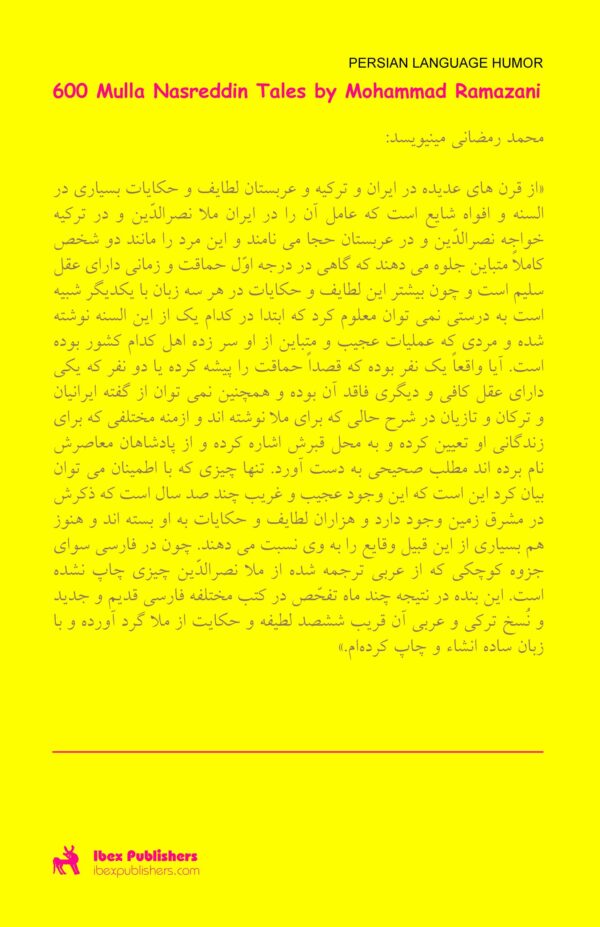
محمد رمضانی در این کتابِ آراسته و پاکیزه، برای نخستین بار در قالب چاپ، ۶۰۰ مورد از شناختهشدهترین، پرنقلترین و سرگرمکنندهترین لطیفهها را گردآورده و آن را به جامعترین مجموعهی در نوع خود تبدیل کرده است.
For centuries, in Iran and many of its neighboring countries, people have passed down by word of mouth a wealth of anecdotes, at once funny and wise, about a village cleric named Mulla Nasreddin. These short, charming tales are told to lift the spirits, to entertain, or to drive home a point. They portray Nasreddin as both the village fool and the town sage, often at the same time. He can be clever or naïve, sly or upright, henpecked, stingy, kind, and frequently wise. The stories revolve around him, his donkey, his wife, and his son, along with the local magistrate and officials, his neighbors, beggars, merchants, and his fellow clerics.
The Mulla is the wise fool. Because he is not bound by profession or reputation, the fool enjoys complete freedom of expression. He can say what others dare not, voicing harsh truths that neither the king, the vizier, nor the wise man can utter. He does so not in anger but through humor. At the heart of the Mulla’s philosophy is the idea that life should not be taken too seriously.
In this cleanly typeset book, Mohammad Ramazani has gathered, for the first time in print, 600 of the best-known, most often retold, and most entertaining tales, making it the most comprehensive collection of its kind.
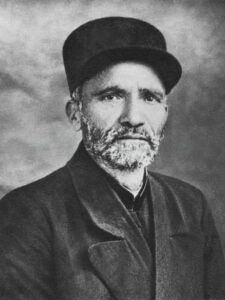 Mohammad Ramazani (1914–1967), often called the father of the printed book in Iran, came from a family of booksellers. He is said to have studied under Mohammad-Ali Foroughi, Badi’ ol-Zaman Foruzanfar, and Ebrahim Pourdavoud. His publishing house produced more than 700 titles, most notably Iran’s first ornately printed Koran. He was the first to collect and publish the stories of Mulla Nasreddin which had previously been circulated by word of mouth.