Description
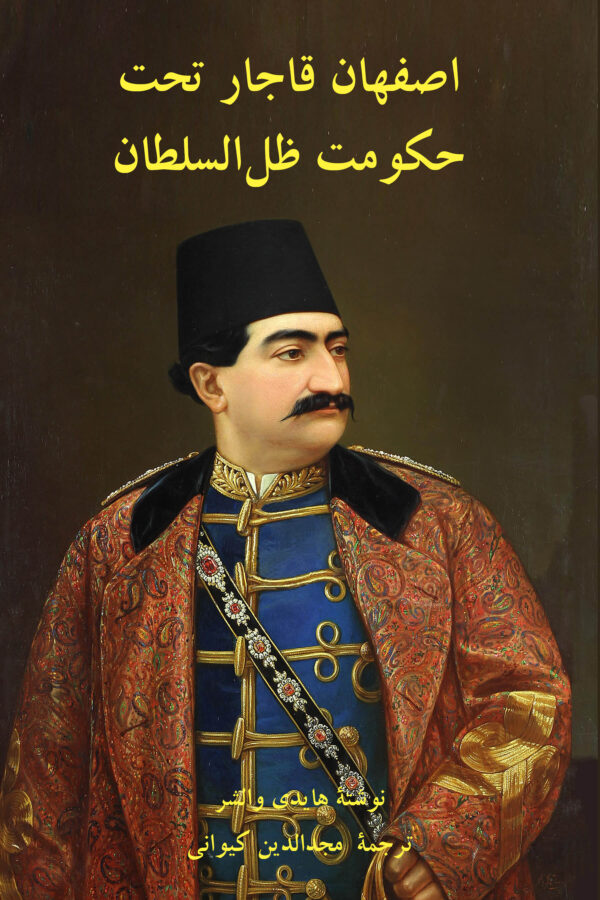
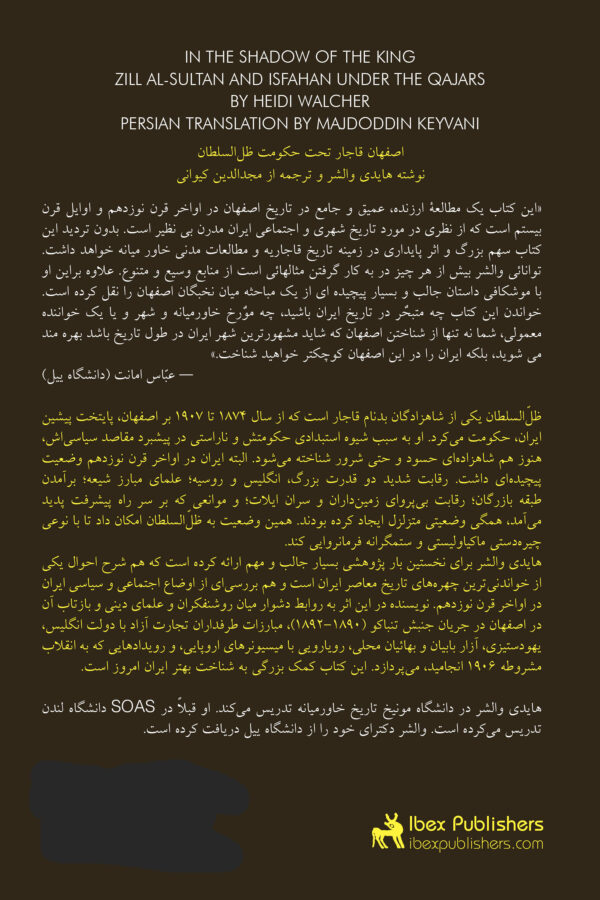
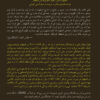
— عبّاس امانت (دانشگاه ییل)ظلّالسلطان یکی از شاهزادگان بدنام قاجار است که از سال 1874 تا 1907 بر اصفهان، پایتخت پیشین ایران، حکومت میکرد. او به سبب شیوه استبدادی حکومتش و ناراستی در پیشبرد مقاصد سیاسیاش، هنوز هم شاهزادهای حسود و حتی شرور شناخته میشود. البته ایران در اواخر قرن نوزدهم وضعیت پیچیدهای داشت. رقابت شدید دو قدرت بزرگ، انگلیس و روسیه؛ علمای مبارز شیعه؛ برآمدن طبقه بازرگان؛ رقابت بیپروای زمینداران و سران ایلات؛ و موانعی که بر سر راه پیشرفت پدید میآمد، همگی وضعیتی متزلزل ایجاد کرده بودند. همین وضعیت به ظلّالسلطان امکان داد تا با نوعی چیرهدستی ماکیاولیستی و ستمگرانه فرمانروایی کند.
هایدی والشر برای نخستین بار پژوهشی بسیار جالب و مهم ارائه کرده است که هم شرح احوال یکی از خواندنیترین چهرههای تاریخ معاصر ایران است و هم بررسیای از اوضاع اجتماعی و سیاسی ایران در اواخر قرن نوزدهم. نویسنده در این اثر به روابط دشوار میان روشنفکران و علمای دینی و بازتاب آن در اصفهان در جریان جنبش تنباکو (1890–1892)، مبارزات طرفداران تجارت آزاد با دولت انگلیس، یهودستیزی، آزار بابیان و بهائیان محلی، رویارویی با میسیونرهای اروپایی، و رویدادهایی که به انقلاب مشروطه 1906 انجامید، میپردازد. این کتاب کمک بزرگی به شناخت بهتر ایران امروز است.
هایدی والشر در دانشگاه مونیخ تاریخ خاورمیانه تدریس میکند. او قبلاً در SOAS دانشگاه لندن تدریس میکرده است. والشر دکترای خود را از دانشگاه ییل دریافت کرده است.
Zill al-Sultan was the notorious Qajar prince who ruled Isfahan, Iran’s former capital during the Safavid era, as governor from 1874 to 1907. He is remembered as a Qajar anti-hero — even a villain — to this day, based largely on his apparent exercise of absolute power and pursuit of intrigue to further his own political interests. But late 19th-century Iran was a complex place: the Anglo-Russian great power rivalry, the assertive Shi’ite militancy of leading clerics, the growing power of the merchant classes, the entrenched and jealously guarded control of the landowners and tribal leaders, the halting attempts to reach out to modernity — all of these helped to create a climate of instability through which Zill al-Sultan navigated with almost Machiavellian skills and deft ruthlessness. Heidi Walcher has produced the first, extraordinarily important study which is both a biography of one of the most colorful individuals in the history of modern Iran and a study of the social and political circumstances of late 19th-century Iran. In the process she examines the difficult relationships between the secular and Islamic elites, the impact on Isfahan of the pivotal Tobacco Protests in 1890-92, the open trade wars against the British, suspicion of the Jews, the persecution of local Babis and Bahais, the confrontation with European missionaries and the events leading up to the Constitutional Revolution of 1906. This book is a major contribution to a proper understanding of modern Iran.
“This is a solid, nuanced and comprehensive study of the later nineteenth- and early twentieth-century Isfahan which in some respects is unique in the urban and social history of modern Iran. It will no doubt be recognised as a major contribution and will have a lasting impact on the field of Qajar history and modern Middle Eastern urban studies. Walcher’s greatest strength is her exemplary use of a wide and diverse body of sources. Moreover she has meticulously put together ther a fascinating narrative of a highly complex interplay among Isfahan’s elite. Readers of this book – be they Iran specialists, historians of the Middle East and urban history or general readers – benefit not only by learning about Isfahan, perhaps the most celebrated Iranian city of all times, but about Iran in the Isfahan microcosm.”
— ABBAS AMANAT, Professor of History and International and Area Studies, Yale University
‘A very impressive study of one of the most powerful princes and politicians in the second half of the nineteenth century. It is intensively researched and documented with a rich vein of European and Persian sources which Heidi Walcher analyses in great detail. She places the political and socio- economic history in the broader context of the time, thereby showing a deep understanding for the relationship between the different political and social groups in late Qajar Iran, viewed from the perspective of local history.’
— PAUL LUFT, Centre for Iranian Studies, University of Durham