Description
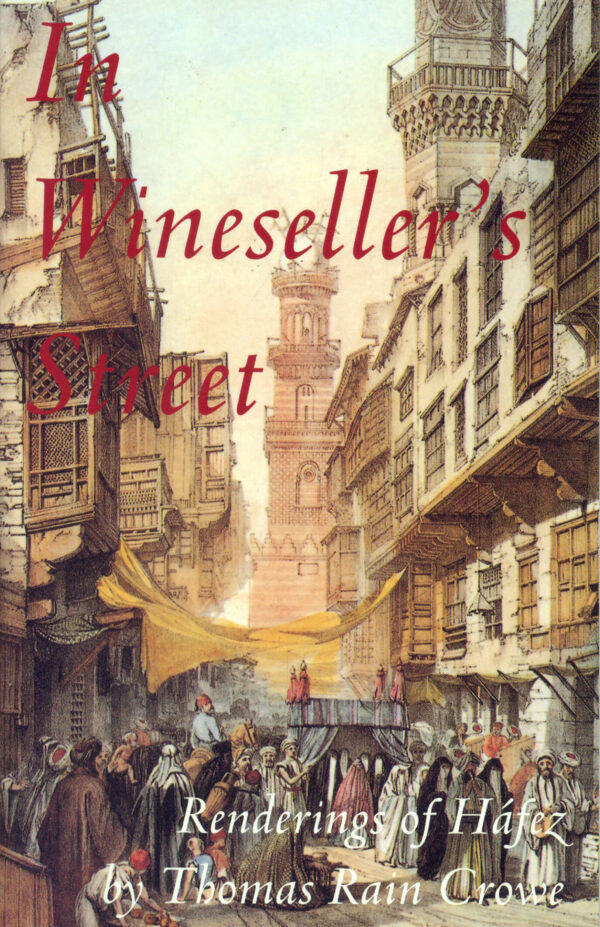
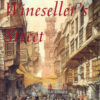
In Wineseller’s Street is about hope. About a world seen through eyes that don’t idolize individualism and separation. It reflects the human potential of living in a world of harmony and grace. No poet and no tradition does this better than Háfez. During a time of international political and religious chaos and violence, perhaps no other work is more essential to our survival and recovery. Here, Háfez is accessible, and in his accessibility, concise. Always the humble teacher, Háfez sits with us on the barstool in the town pub like a mirror, reflecting back our dreams…
Emerson felt Háfez’s fire and wit and ecstatic sensuousness through some wooden German translations he found in a New England bookstore in April of 1846. Since then several, not all that many, have tried to bring a taste of this wild and eloquent Persian poet into English. No one has totally succeeded yet. It is important that we keep trying … Thomas Rain Crowe gives it a good try. He hears the rambunctious lilt in Háfez and brings that across with a rather eloquent, yet sensitive modernism of his own making –– making it his own, and therefore unique.
–– Coleman Barks
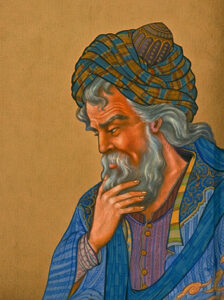 Shamseddin Muhammad of Shiraz, who would become known by his pen name, Hafez, was born in southern Iran in the early fourteenth century. He remains the most beloved poet of the Persian language.
Hafez is a timeless and universal poet. Wherever Persian is known, he is easily recited by both King and common man. Even illiterates will recite a memorized verse of Hafez. Those uncertain about love, fortune, the future, or any other matter open his collected poems at random and find their dilemmas untangled on the page. His turn of phrase has enriched the Persian lexicon and, even more than Shakespeare in English, has entered everyday language. This has made him the Persian culture’s most read, quoted and revered figure.
His verse offers not only a panoramic view of Persian culture but also a window into the universal soul.